5 Common Hidden Costs When Working With Home Builders In Darwin
Building a home in Darwin is an exciting milestone. Whether you're putting roots down in the Territory for the first time or upgrading to a property that suits your lifestyle, there's real satisfaction in watching something you've planned come to life.
But between the excitement of signing a contract and the day you get your keys, many new homeowners encounter costs they simply weren't expecting. The quoted price from residential builders Darwin clients receive at the start of the process is rarely the final figure, and understanding what's often missing from that initial number can save significant financial stress down the track. If you're comparing home builders Darwin-wide, getting across these hidden costs before you commit is one of the most practical things you can do.
1. Site Preparation and Earthworks
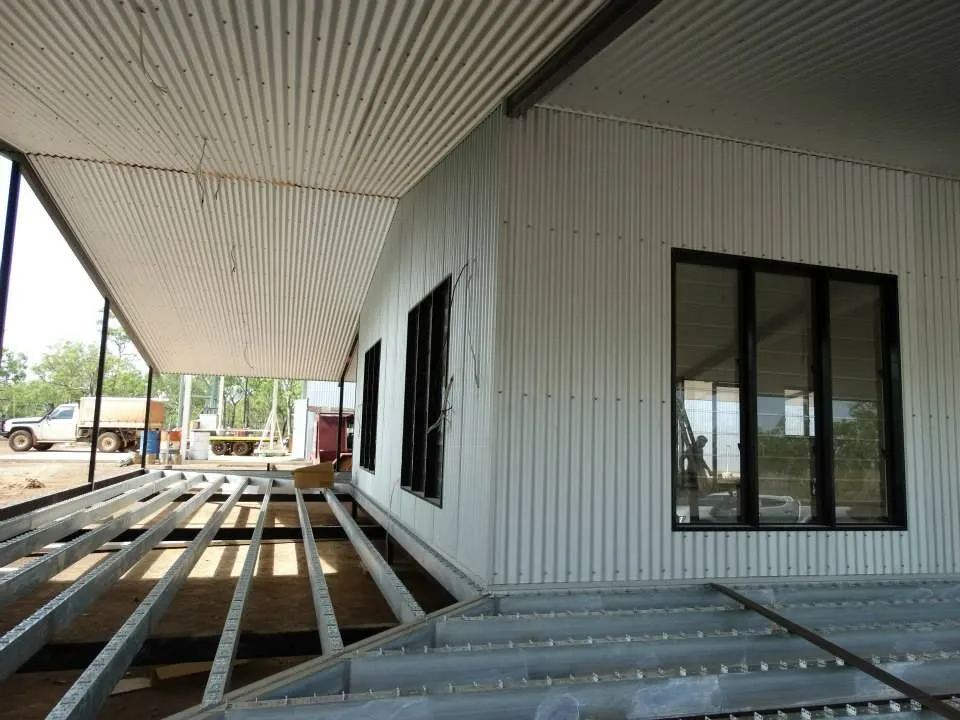
One of the most commonly overlooked costs in any new build is what happens to the land before a single wall goes up. Site preparation covers clearing, levelling and compacting the ground to make it buildable — and depending on the condition of your block, this can vary considerably in price.
In Darwin and the surrounding rural areas, sites often present specific challenges:
- Dense vegetation, tree removal or root system clearing
- Uneven terrain requiring significant cut and fill earthworks
- Access limitations for machinery on remote or rural properties
- Drainage considerations linked to wet-season water movement
Earthworks costs can range from a few thousand dollars for a straightforward suburban block to $20,000 or more for rural properties with significant clearing or levelling requirements. Always ask your builder for a clear breakdown of what site preparation is and isn't included in the base contract price.
2. Soil Testing and Engineering Reports
Darwin's soils are notoriously reactive — meaning they expand and contract with moisture changes, which is significant in a climate that swings between an intense wet season and a long dry. Before construction begins, soil testing determines the classification of your land and informs the engineering requirements for your slab and footings.
This isn't optional — it's a structural necessity. But the costs are often not built into early quotes:
- Soil testing reports typically cost between $500 and $1,500 depending on the block and number of test holes required
- If the soil classification comes back as highly reactive, additional engineering and footing upgrades may add $5,000 to $15,000 or more to the build cost
- Reactive soil conditions may also require pier and beam foundations rather than a standard concrete slab
Ask to see the soil test results for your block early in the process, and make sure any engineering upgrades required as a result are costed into your contract before you sign.
3. Council Fees, Permits and Development Approvals
Getting a home approved to build involves a layer of fees that are easy to underestimate — particularly for first-time builders who aren't familiar with the Northern Territory's approval process. Development application fees, building permit fees and infrastructure contributions are all separate charges that vary depending on the location, land size and project value.
Costs to be aware of in this category include:
- Development application fees payable to the local council or NT Planning authority
- Building permit fees, which are typically calculated as a percentage of the total construction value
- Infrastructure and headworks charges for connecting to water, sewerage and power
- Bushfire Attack Level (BAL) assessments for properties in designated risk zones
These costs are rarely included in a builder's base quote. Budgeting an additional $5,000 to $15,000 for approvals and permits on a standard residential build is a reasonable starting point, though complex sites or rural properties can sit higher.
4. Variations During Construction
A variation is any change to the original contract — and they're far more common than most new homeowners anticipate. Some variations are unavoidable, driven by on-site conditions discovered after construction begins. Others are owner-initiated changes to finishes, layouts or fittings. Either way, they add to the final cost.
Common variation triggers include:
- Discovering rock, fill or unexpected ground conditions during excavation
- Upgrading electrical, plumbing or fixture inclusions mid-build
- Changes to structural elements driven by updated engineering requirements
- Design modifications requested after the contract is signed
Variations are charged at the builder's contract rates, which are often higher than what you might expect. A seemingly small change — adding a power point location, switching a door swing or upgrading a window — can carry a disproportionate cost once labour, materials and administration are factored in.
Read your contract carefully to understand how variations are priced and approved before any work begins.
5. Landscaping, Driveways and External Works
This is probably the most consistent surprise for new home owners — and one that catches people off guard at the finish line, when the budget has already been stretched. Most residential builders Darwin contracts cover the house itself, not what surrounds it.
Landscaping, driveways, retaining walls, fencing, clotheslines, letterboxes and outdoor areas are typically listed as exclusions. What's commonly left out of a standard build contract includes:
- Driveway from the road to the garage or entry (can cost $5,000 to $15,000+ depending on length and surface)
- Turf, garden beds, paths and outdoor paving
- Fencing — particularly relevant on rural properties where boundary lengths are significant
- Retaining walls required for sloping blocks
- External sheds, carports or covered entertaining areas
On a rural Darwin property, getting from "house complete" to "property liveable" can easily represent an additional $30,000 to $60,000 in external works that never appeared on the original quote.
Taking the Next Step
We at SLS Builders Pty Ltd believe that an informed client makes for a smoother, more successful build. Darwin's wet season, reactive soils, cyclone ratings and rural access conditions all add layers of complexity that a generic quote doesn't always account for — and we'd rather you understand the full picture before putting pen to paper.
If you're in the planning or comparison stage and want an honest conversation about what building in the Territory actually involves,
get in touch with our team of
builders Darwin locals trust before signing any building contract.